Rooted in generations of tradition, sean-nós singing carries the stories, language, and emotions of Ireland through song. For Rónán Ó Conghaile, that tradition is also deeply personal, shaped by family members who shared their songs and knowledge with him from an early age.
Ahead of his performance at the DeBartolo Performing Arts Center, we spoke with Ó Conghaile about his connection to sean-nós, preserving the art form and sharing it with new audiences.
What excites you most about sharing sean-nós singing with audiences at the University of Notre Dame this season?

I really look forward to sharing my art and its foundations with the audiences at the University of Notre Dame. Sean-nós is so pure and raw in its form handed down from generation to generation. I think we all can relate to sean-nós and to its origins. I am excited to perform for the audience, I have picked a set list of my favourite songs which highlight the beauty and the poetic nature of sean-nós singing. I can’t wait to dance a few sean-nós steps and maybe encourage some people to try a few with me.
For audience members who may be experiencing sean-nós for the first time, how would you describe this unique singing tradition?
Sean-nós directly translates to the old way or the old form. Sean-nós is handed down from generation to generation, some songs dating back to the early 1700s. Sean-nós singing is an oral tradition. A lot of sean-nós songs have themes of heartbreak, grief, and longing from home. They are stories of deep rooted emotions, hardship, and unrequited love from the gaeltachts (Irish speaking regions) of Ireland. Sean-nós is a vessel for the Irish language, and history.
What draws you most to the sean-nós art form?
As I get older, I seem to lose myself more and more in slow sean-nós songs. I love to learn a new song just so I can put myself in the author’s shoes while I sing it. To sing a sean-nós song is to understand the author’s perspective and to try to feel what they felt in that moment. Not everyone has the same version of sean-nós songs, depending on where in Ireland you’re from or what story has been passed down to you, it’s fascinating hearing different versions, and can make one think a bit deeper on the subject.
What are some of your earliest memories of Irish music and song, and how have they influenced your work today?
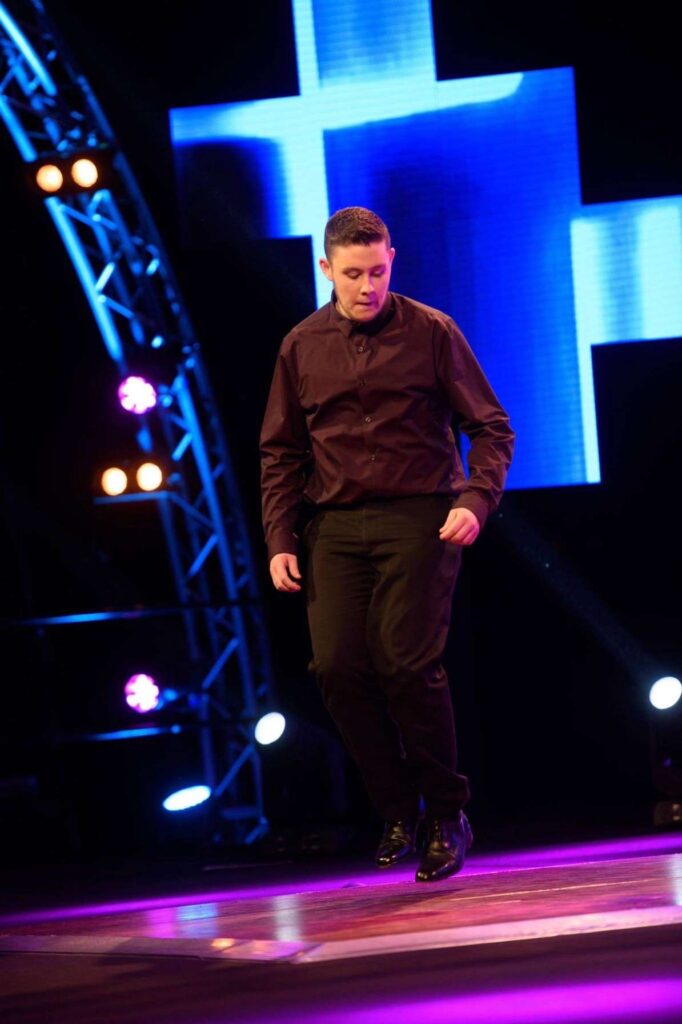
I have been blessed to have sean-nós, dance, and music in my life from an early age. My grandfather and grandmother on opposite sides were great friends and used to sing together before my parents ever met. Growing up with that background and being given the freedom and space to sing and dance, and it being so normal, was a great treasure. I remember baking scones with my grandmother, she used to teach me songs while we baked and cleaned up. Likewise with my grandfather, he used to sing me songs while he would put me to sleep. I can remember growing up and having sean-nós singers and dancers in music sessions and always sharing their knowledge and craft with me.
How does performing in the Irish language shape your connection to the music and the stories you share?
Sean-nós singing and the melody can change word to word depending on the emotion you are trying to relay. If I am drawn to a certain sentence or word in the song, each sean-nós singer may want to emphasise a word or a sentence completely different to the other. That said, the song and the lyrics are maintained because as a sean-nós singer, you are a custodian of the art form. When I sing, not only am I trying to tell a story, I also am thinking of how my grandparents sang this song, and how they first told me this story.
As both a performer and teacher, what do you find most rewarding about introducing new generations to sean-nós singing and dancing?
I love passing down my knowledge exactly as it was passed down to me. My favourite is when I see the love and the interest that my students have for Sean-nós whether it is dancing or singing. I love that they understand what it means to preserve sean-nós and acknowledge that they are also custodians of it. This provides another layer to the art form and encourages students to dig deeper into lyrics and the history behind these songs and steps.
For Ó Conghaile, sharing sean-nós is about more than performance—it is a way to preserve the stories, language, and traditions passed down through generations. Through singing, dancing, and teaching, he continues that tradition while inviting new audiences to experience an art form that remains deeply connected to Ireland’s history and culture.
September 18, at 7:30 p.m.
Traditional Irish Song: Rónán Ó Conghaile
Experience the beauty and tradition of sean-nós as Rónán Ó Conghaile shares Irish song, dance, and storytelling in an intimate performance celebrating this centuries-old art form.
Made possible by the Leo and Barbara MacCourtney Endowment for the Performing Arts.