Student feature by Scarlett Chu
When I first came to the U.S. from Hong Kong, I was a shy, nerdy girl with a strong British accent. As my father’s car drove off, leaving me with two large suitcases and promises of an exciting new life in a boarding school 8,000 miles from home, I felt lost amongst the crowds of chattering students.
Redefining Dance and Identity
I wanted to be successful in my new environment, so badly. In attempts to blend in, I tried becoming a louder, rasher version of myself. I ditched my glasses and long coats for acrylic nails and short skirts. Words like “low-key” and “legit” became part of my everyday vocabulary. I scrutinized my roommates to figure out how to fit in. Sweatpants instead of jeans. Spotify instead of musical OSTs. I felt like I was constantly onstage, trying to perform a piece I had never learned while an invisible director in the back of my head yelled, “Wrong count!”
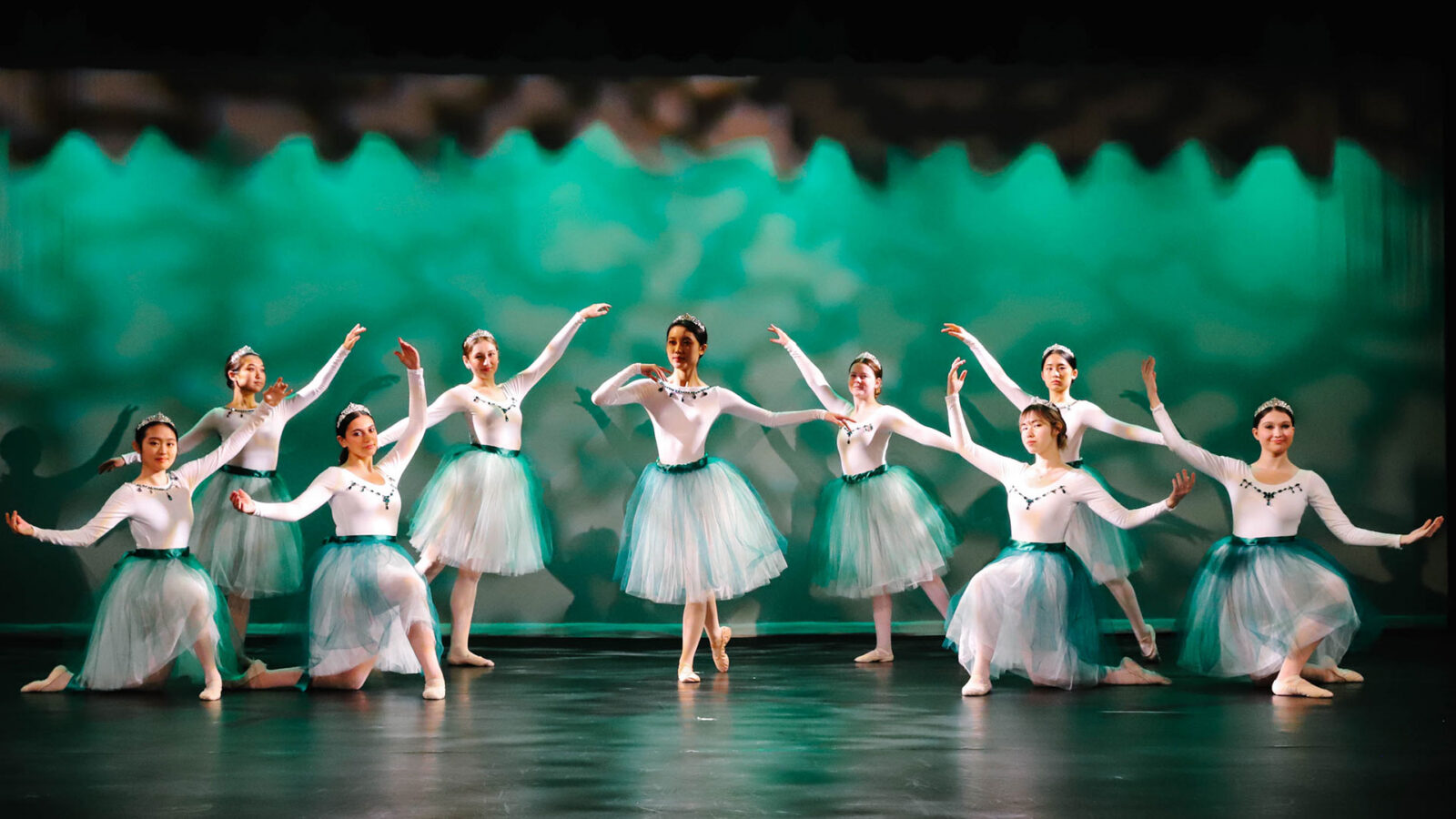
At the same time, I was also working myself to my wit’s end. Nine years in the Asian school system had made me a master of “drill and kill” with an emphasis on “kill.” Trying desperately to belong and excel turned me into a ball of self-doubt with an unconvincing American accent. Fear of rejection and failure snowballed. Then, with an accident that felt like over-the-top symbolism, a poorly-executed dance move resulted in a torn ACL. At the next dance recital, I was forced to sit in the audience, disconsolate, instead of dancing on stage. Tears welled in my eyes; I felt like I had failed at life, unable to learn the steps or spin fast enough.
Finding Creativity and Balance at Notre Dame
Once I’d graduated high school, I decided to start over, and college offered me that reset. When I arrived at Notre Dame, no one knew the version of me that had tried so hard to fit in nor the one who had fallen, both literally and figuratively. For the first time, I thought, I could choose which parts of myself to keep.
I was balancing demanding coursework with a quiet craving for something creative, like many students here. I was searching for something that would help me feel “human” when classes became too overwhelming. That was when the performing arts stopped being about perfection or approval, but instead, they became a way to ground and lose myself in the music, the melody, and the emotions I could unleash through my dance moves.

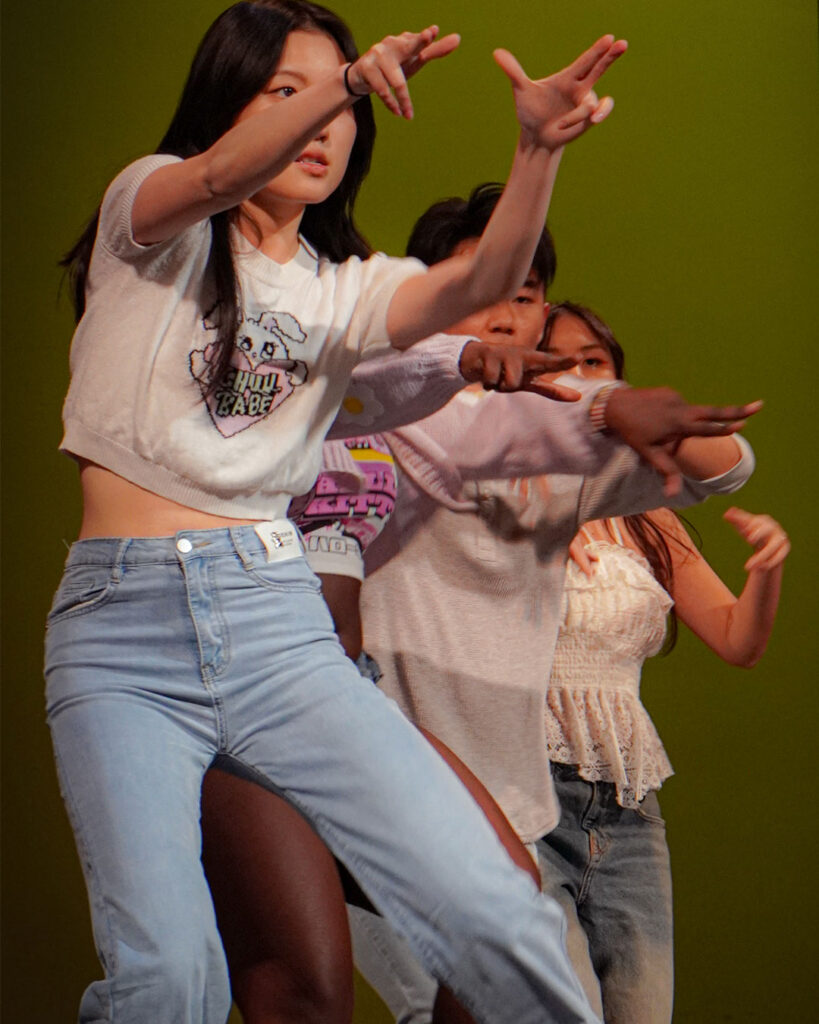
Due to the limitations from my injury, I couldn’t train in ballet anymore. Instead, I pivoted, and I took a deep dive into the urban and hip-hop dance forms. I loved the Duncan Smith studios and the full-length mirror at my gym; I would put on trending choreography from independent studios and K-Pop dances and challenge myself to learn the steps. While it was awkward at first—the sharp isolations and footwork far from the graceful, elegant extensions I once practiced over and over again—I found a new sense of excitement for dance. The performative aspect of dance, a mindset that had stuck with me for so long, slowly lost its looming presence as I started dancing for myself. I danced for the me inside that mirror, instead of for an audience.
Performing Arts and Connection at DPAC
My love for the performing arts has never left me. Instead, it has continued to grow. In college, I realized how powerful it is to have spaces on campus where stories are told through unique avenues, like at Notre Dame’s DeBartolo Performing Arts Center (DPAC). Now, while being a part of the audience, I often recognize pieces of my own journey in the performers I watch onstage. The vulnerability, the raw emotion, the hours of sweat and tears behind the performance, and the courage it takes to simply step into the light.
Why Performing Arts Still Matter to Me
That’s what the performing arts mean to me now. It’s not about flawless execution. It’s about telling stories that mirror our own transformations, whether we’re onstage or sitting in the audience. As a DPAC Student Ambassador, I can share my love for the arts and, hopefully, help students who are still figuring out their steps, recognize that their story, too, is worth telling.